Lawn Care Trends UK: What Homeowners Are Doing Differently This Year
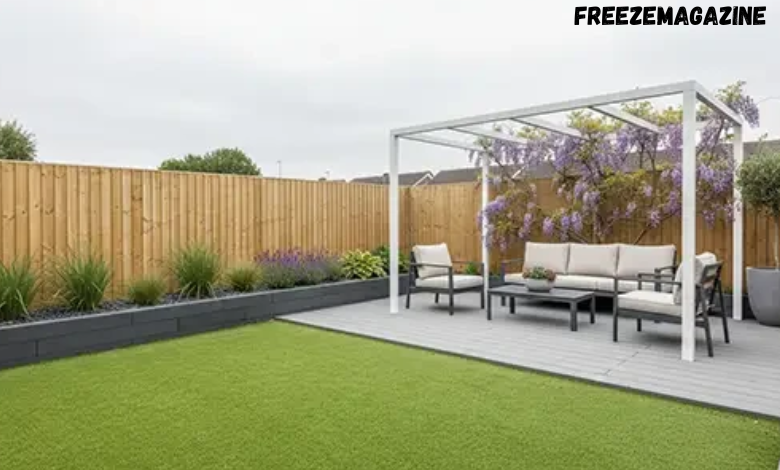
Your neighbour’s lawn looks suspiciously different this year, doesn’t it?
Maybe it’s the patch of lavender where the grass used to be, or perhaps it’s that robot mower doing laps while they sip tea inside. Either way, something has shifted in British gardens, and it’s not just because of the weather.
So, if you’re wondering what’s actually happening out there, here’s what the forward-thinking gardeners are up to.
The Eco-Friendly Product Revolution
Walk into any garden centre these days, and you’ll notice that something has changed on the shelves, says InterWest, a leading property management team.
Those harsh chemical treatments and weed killers that used to dominate entire aisles? They’re being nudged aside by organic alternatives that won’t turn your soil into a science experiment gone wrong.
Products like Neudorff’s organic fertilisers are flying off the shelves. They feed your lawn without leaving behind a chemical residue that’ll linger in your garden for months.
Miracle-Gro’s Nature’s Care range has joined the movement, too, offering natural plant food with naturally derived ingredients designed to support soil life.
The trick is knowing what to look for. Check for recognised organic or sustainability certifications, such as the Soil Association mark or similar independent eco-labels.
Your lawn will thank you, and so will every earthworm living beneath it.
The New Rules of Garden Ground Cover
What if your entire garden didn’t have to be grass?
With water restrictions becoming more common across the UK, people are getting creative with alternatives that make sense. Here are some options worth looking into:
- Drought-tolerant plants. Lavender and sedum, for example, bring colour and fragrance without needing constant watering. They’re perfect for smaller urban gardens where every square metre counts.
- Artificial grass. It costs more upfront, sure, but you’ll never mow, water, or feed it again. The maths works out surprisingly well over time.
- Gravel gardens. These are having a moment, too. They look modern, require almost zero maintenance, and you can still add pops of greenery with potted plants.
The key is matching your choice to your garden space. Got a tiny courtyard? Go for water-smart plants. Larger garden? Artificial grass might just be what you’re looking for.
Compared to traditional lawns, these alternatives save time, money, and that Sunday morning you’d normally spend pushing a mower around.
Gardens That Support Wildlife
British gardens are finally becoming places where wildlife wants to live, not just pass through.
Native plants, like foxgloves and bluebells, aren’t just beautiful. They also create habitats for insects and birds that desperately need them.
Wildflower meadows are popping up everywhere as well, attracting bees and butterflies that do the crucial work of pollinating plants.
Want to make the switch yourself? Start with plants that suit UK conditions. Plant them close together to create shelter and feeding spots for wildlife.
And if you’re not sure where to start, The Royal Society for the Protection of Birds (RSPB) offers guidance and resources on making outdoor spaces more wildlife-friendly.
So, your garden will become part of a bigger network supporting local nature.
Smart Tech That Actually Does the Work
Technology has finally caught up with gardening, and honestly, it’s about time.
Smart sprinklers now adjust watering based on weather forecasts, which means your lawn gets exactly what it needs and nothing more. So, say goodbye to accidentally drowning your garden because you forgot to turn off the timer.
Robotic mowers are the real game-changer, though. They cut your grass while you’re handling other chores.
Plus, most devices come with apps that track soil moisture, suggest optimal mowing times, and even alert you to potential problems before they become disasters.
When choosing smart gadgets, make sure they can handle Britain’s cold weather. Rain is rather common here, and you don’t want your expensive gadgets to start malfunctioning after just one week.
Rainwater Harvesting and Water-Smart Lawns
British gardeners are starting to treat rain like free gold. After several unusually dry summers, relying solely on hosepipes is beginning to feel both expensive and slightly risky.
Rain barrels are becoming a standard feature. Instead of letting rainfall disappear down the drain, you can collect it from your roof and store it for drier weeks. It’s simple, surprisingly effective, and can significantly cut water bills over time.
And as it turns out, gardens that rely on natural rainfall often end up looking healthier and more resilient year-round.
You can also take it a step further by reusing greywater from sinks and baths to keep your lawn hydrated.
With filtration and safe-use guidelines, you’ll reduce water waste without compromising on your plants’ health.
The Community Garden Movement
Lawn care is becoming less of a solo activity and more of a neighbourhood affair.
Garden clubs and online groups are thriving, with people swapping tips, borrowing tools, and sharing eco-friendly ideas that actually work in real gardens rather than just theory.
Garden swaps and plant fairs are brilliant for trading seeds and getting advice from people who’ve already made the mistakes you’re about to make.
Tool-sharing programmes are gaining traction, too. Why should every homeowner have a lawn mower that sits unused 99% of the time?
These initiatives save money, cut down on waste, and get neighbours talking to each other again, which is increasingly rare these days.
The Eco-Landscaping Boom
Not just any gardener will do anymore. People want someone who understands soil health, native plants, and how to create gardens that support wildlife instead of ones that just look neat.
Lawn care services have caught on fast. The ones thriving right now are those offering organic treatments, biodiversity consultations, and rewilding programmes instead of the old ‘spray-and-mow’ routine.
Some specialists focus entirely on helping you transition from a traditional lawn to something more sustainable.
They’ll assess your space, suggest what will work best, and handle the tricky bits while you watch and learn.
This way, you can skip the expensive trial-and-error phase and get a showstopping lawn right away.
Conclusion
British lawns are changing, and it’s happening faster than anyone expected. And the best bit is that these changes make your life easier and help the planet.
So, why not pick one idea from this list and give it a go? You’ll be officially ahead of the curve.










Post Comment