County Integrated Development Plan: A Comprehensive Guide to County Planning and Development for Sustainable Growth
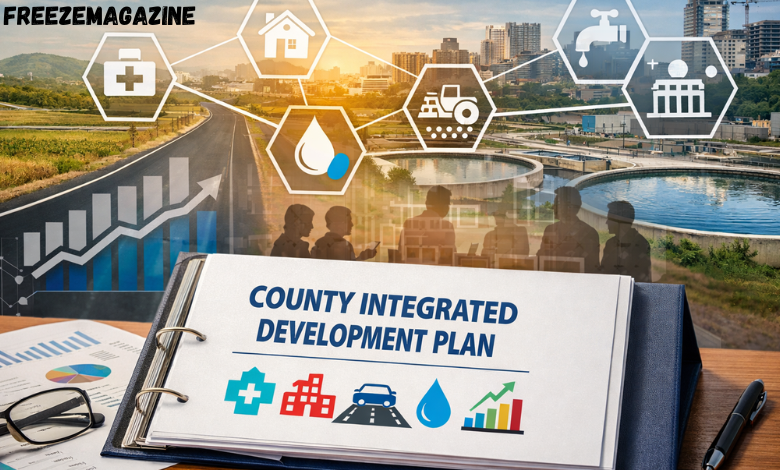
A County Integrated Development Plan (CIDP) is an essential tool in the development of counties, particularly within devolved governance systems such as Kenya. It serves as a roadmap that guides the county’s development efforts over a defined period, usually five years. Through a structured process that involves various stakeholders, a CIDP ensures that the development priorities of a county are well-defined, transparent, and aligned with available resources. It also serves as a critical tool for budgeting, monitoring, and accountability.
In this post, we will explore the concept of the County Integrated Development Plan (CIDP), its components, significance, and how it influences the development of a county.
What is a County Integrated Development Plan (CIDP)?
A County Integrated Development Plan is a comprehensive planning document that outlines a county’s development goals, strategies, and actions for a five-year period. It is designed to align the county’s development priorities with its available resources while ensuring that public services are effectively delivered to meet the needs of the population.
A CIDP provides a clear, long-term direction for development, making it an indispensable tool for guiding county planning and decision-making. It outlines how the county will achieve its desired objectives, manage public resources, and respond to community needs while integrating various sectors such as health, education, infrastructure, agriculture, water, and housing.
The primary goal of the CIDP is to create an integrated framework for development, meaning that all the major sectors in the county (e.g., roads, healthcare, education, water, and agriculture) are planned and implemented together, rather than in isolation.
The Significance of a County Integrated Development Plan
- Long-Term Vision and Stability
One of the key features of the CIDP is its long-term vision. While county governments often face pressure to respond to immediate or short-term issues, the CIDP provides a stable framework that prioritizes long-term goals. It sets a foundation that guides decisions, even when leadership changes. - Effective Resource Allocation
Given the limited resources at a county’s disposal, a CIDP helps ensure that these resources are directed toward projects with the highest impact. The plan supports prioritization, ensuring that funds are spent on projects that yield maximum social and economic benefits. - Public Participation and Inclusivity
The CIDP is not just a top-down process. Public participation is a core element of the plan. Citizens, civil society organizations, and the private sector are involved in identifying community needs and development priorities. This participatory process ensures that the plan reflects the real needs of the people and promotes inclusive development. - Improved Accountability and Monitoring
The CIDP sets clear goals and targets, which makes it easier for citizens and oversight bodies to measure progress. By aligning the budget with the development priorities, the plan ensures that the county government is accountable for its spending and service delivery. - Integration of Development Sectors
The CIDP takes an integrated approach to development, recognizing that sectors such as health, roads, education, and agriculture are interconnected. For instance, improving road infrastructure has a direct impact on education (by providing better access to schools), healthcare (by improving access to health centers), and economic development (by enhancing market access). By planning these sectors together, the CIDP reduces the risk of duplication and inefficiency.
Components of the County Integrated Development Plan
The County Integrated Development Plan consists of several key components that provide a framework for sustainable development. These components include:
- Development Goals and Priorities
The CIDP begins by defining the county’s vision and setting long-term development goals. It identifies the key areas that need attention, such as improving healthcare, infrastructure, education, and economic development. These goals reflect the priorities of the county, as identified through public participation. - Sector Strategies and Programs
Once the county’s goals are set, the next step is to identify specific programs and strategies for each sector. For example, the education sector may include plans for constructing new schools, providing teaching materials, and improving teacher training. Similarly, the infrastructure sector might focus on road construction and maintenance. Sector strategies are integrated into the overall CIDP to ensure that all sectors work towards the same broader goals. - Budget Planning and Resource Allocation
One of the most critical aspects of the CIDP is its alignment with the county budget. The CIDP provides a clear connection between development priorities and the county’s financial resources. It helps ensure that funds are allocated to the most pressing needs and that development projects are funded appropriately. A Medium Term Expenditure Framework (MTEF) is often used to provide a financial overview of how resources will be allocated over the CIDP’s five-year period. - Community Needs and Public Input
Public participation plays a significant role in the CIDP process. Community input is gathered through forums, surveys, and public meetings. This input helps shape the plan, ensuring that the projects and priorities reflect the needs of the people. Through public participation, citizens can voice their concerns and suggest projects that will improve their communities. - Monitoring and Evaluation Systems
To track progress and ensure accountability, the CIDP includes mechanisms for monitoring and evaluating the implementation of the plan. These systems allow the county government to assess whether the set goals are being met and if projects are progressing as planned. Regular reviews help ensure that the CIDP remains relevant and adaptable to changing conditions.
Key Guidelines for Developing a County Integrated Development Plan
In Kenya and other countries with devolved systems of government, CIDPs are developed according to specific guidelines issued by relevant authorities. In Kenya, for example, the State Department for Planning issues the guidelines that counties must follow when preparing their CIDPs. These guidelines highlight the steps involved in the planning process and ensure consistency across counties.
Some of the essential steps in the CIDP development process include:
- Data Collection and Analysis
Data is collected from various sources, including administrative records, sector reports, spatial information, and community input. This data serves as the evidence base for the planning process. - Public Participation
Citizens, civil society, and private sector actors are invited to participate in planning forums, surveys, and meetings. This ensures that development priorities reflect the real needs of the community. - Prioritization
Based on the collected data and public input, issues are ranked according to their urgency, impact, and feasibility. This process ensures that the most critical projects receive attention first. - Drafting and Review
After prioritization, a draft CIDP is prepared and reviewed by various stakeholders, including government officials, sector experts, and the public. This iterative process ensures that the final plan is comprehensive and practical. - Approval and Adoption
Once the draft plan is reviewed, it is submitted for approval through the necessary county processes. Upon approval, the CIDP becomes the official development document for the county.
CIDP Implementation and Funding
The successful implementation of a CIDP relies on clear coordination and collaboration between various departments, sectors, and institutions. The implementation framework defines roles, coordination mechanisms, and partnerships that are necessary for delivering the plan’s objectives.
In terms of funding, counties utilize resources from various sources, including the national government, local revenues, and donor funding. The plan ensures that funds are used effectively and in line with the county’s development goals. The CIDP is closely linked to the county’s budget, ensuring that the allocated resources support the prioritized projects.
Challenges and Future Considerations
While the CIDP is an essential tool for county development, several challenges may arise during its implementation. These include:
- Limited Resources
Counties often face financial constraints, making it difficult to implement all the projects outlined in the CIDP. This highlights the importance of prioritization and strategic resource allocation. - Political Interference
Political changes can affect the implementation of the CIDP. New leadership may prioritize different projects, potentially disrupting the continuity of development. - Inadequate Data
In some counties, data collection and analysis may be insufficient, making it challenging to accurately assess community needs and design effective programs. - Public Participation
Ensuring meaningful public participation can be difficult, especially in rural or marginalized areas. Efforts must be made to ensure that all voices are heard, particularly those of vulnerable populations.
To address these challenges, counties must view the CIDP as a living document that can be adjusted as conditions change. Regular reviews and updates will ensure that the plan remains relevant and effective in achieving long-term development goals.
Conclusion
The County Integrated Development Plan (CIDP) is an essential tool for guiding the development of counties. By integrating various sectors, aligning development goals with resources, and involving the community in the planning process, the CIDP helps counties achieve sustainable development. It serves as a roadmap for effective governance, resource allocation, and public service delivery. By prioritizing long-term goals over short-term pressures, counties can create a more stable and prosperous future for their citizens.









Post Comment