A Designer’s Guide: How to Choose the Perfect Lace Trim for Your Project
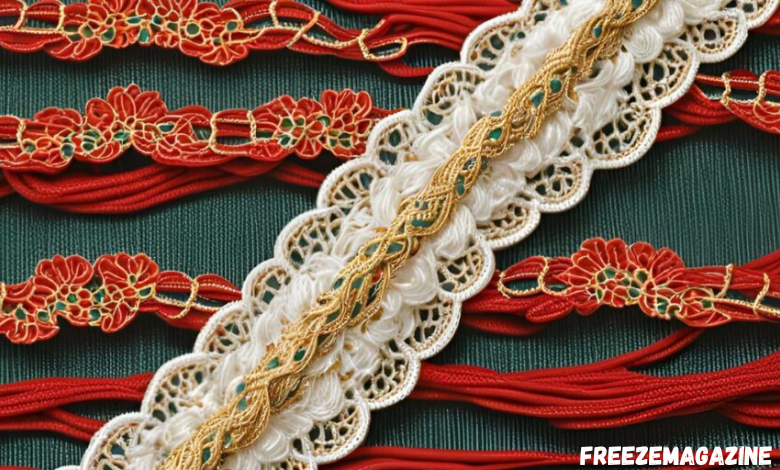
Lace trim is one of the most lovely elaborations utilised in style and craft tasks. It appears tender, beautiful and stylish. Designers use lace to add charm and detail to clothes and add-ons.
Choosing the proper lace trim will make your design look top-class. If you pick wrongly, the complete undertaking can appear uninteresting.
In this sensible manual, we will provide an explanation for the way to pick out the right lace trim little by little.
What Is Lace Trim?
Lace trim is a decorative fabric. It is made with threads looped and twisted into patterns.
It is used on:
- Dresses
- Lingerie
- Wedding gowns
- Baby clothes
- Curtains
- Table covers
- Craft items
Lace trim can be stitched on edges, sleeves, necklines, or hems.
It adds beauty without making garments heavy.
Why Lace Trim Is Popular in Design
Designers love lace trim because it offers:
- Elegant look
- Soft texture
- Feminine style
- Vintage feel
- Luxury finish
Even a simple dress can look expensive with the right lace trim.
Types of Lace Trim
Before choosing lace, you must know the common types.
1. Cotton Lace
Cotton lace is soft and breathable.
Best for:
- Kidswear
- Summer dresses
- Casual wear
It is comfortable on the skin.
2. Nylon Lace
Nylon lace is strong and stretchable.
Used in:
- Lingerie
- Undergarments
- Activewear
It keeps its shape after washing.
3. Embroidered Lace
This lace has thread embroidery on mesh fabric.
Perfect for:
- Bridal gowns
- Party dresses
- Luxury fashion
It looks rich and detailed.
4. Stretch Lace
Stretch lace contains elastic fibres.
Best for fitted garments like:
- Bodycon dresses
- Sleeves
- Waistlines
It gives comfort and flexibility.
5. Crochet Lace
Such as Crochet lace is handmade or machine-made in loop patterns.
And it gives a vintage or boho look.
Used in:
- Shawls
- Tops
- Decorative crafts
How to Choose the Perfect Lace Trim
And now let’s see the most important factors.
1. Match Lace With Fabric
Always match lace with your main fabric.
For example:
- Use cotton lace with cotton fabric
- Use silk lace with silk dresses
- Use stretch lace with stretch fabric
If fabrics don’t match, stitching becomes difficult.
The garment may lose shape.
2. Check Colour Compatibility
Colour matching is very important.
You can choose:
- Same colour lace (for a clean look)
- Contrast lace (for bold design)
For bridal wear, white or ivory lace is common.
For fashion wear, designers use pastel or neon lace trims.
3. Consider Lace Width
Lace trims come in different widths.
Such as:
- Narrow (1–3 cm) → for sleeves, baby wear
- Medium (3–8 cm) → for necklines
- Wide (8 cm+) → for hems, veils, gowns
Choose a width based on design visibility.
Too wide lace on small garments looks unbalanced.
4. Study the Pattern Design
Lace patterns vary a lot.
Common designs include:
- Floral
- Geometric
- Scalloped edges
- Leaf motifs
- Abstract designs
For bridal projects, floral lace is most popular.
For modern fashion, geometric lace works well.
5. Test Fabric Quality
Always check lace quality before buying.
Look for:
- Strong threads
- Clean stitching
- No loose fibres
- Soft touch
Low-quality lace may tear during stitching.
It may also shrink after washing.
Buying From the Right Supplier
Choosing the right supplier is as important as choosing lace.
If you buy from trusted Lace Trim Wholesale suppliers, you get:
- Better prices
- Bulk availability
- Consistent quality
- Custom designs
- Faster delivery
Like wholesale sourcing is cost-effective for designers and brands.
Such as it also ensures stock availability for large projects.
Role of Branding in Lace Selection
Many designers now use branded trims.
Working with known suppliers like Lightspot helps ensure:
- Premium lace finishing
- Modern designs
- Color consistency
- Export-quality standards
This is important for fashion labels and boutiques.
Branded trims increase product value.
Lace Trim Uses in Different Projects
1. Bridal Wear
Used on:
- Veils
- Gowns
- Sleeves
- Trains
Wide embroidered lace works best here.
2. Lingerie Design
Soft stretch lace is ideal.
It adds comfort and beauty.
3. Kidswear
Use soft cotton lace.
Avoid rough or heavy lace.
Kids need skin-friendly trims.
4. Home Décor
Lace trims decorate:
- Curtains
- Pillow covers
- Tablecloths
Crochet and floral lace are popular here.
5. Craft Projects
Used in:
- Scrapbooks
- Gift wrapping
- DIY décor
Narrow lace trims work best.
Care and Maintenance Tips
Such as lace is delicate, so proper care is important.
Follow these tips:
- Hand wash when possible
- Use a mild detergent
- Avoid high-heat ironing
- Store flat or rolled
- Do not overstretch
Good care keeps lace beautiful for years.
Common Mistakes Designers Should Avoid
Avoid these errors:
- Using heavy lace on light fabric
- Ignoring stretch compatibility
- Choosing the wrong lace width
- Not pre-washing lace
- Buying low-quality trims
Small mistakes can ruin the final look.
Future Trends in Lace Trim Design
Lace fashion keeps evolving.
New trends include:
- Eco-friendly lace
- Recycled fibre lace
- Laser-cut lace
- Metallic thread lace
- 3D floral lace
Designers now mix tradition with modern style.
Conclusion
Choosing the right lace is an essential step in any layout venture.
Right lace adds:
splendor
beauty
value
relaxation
Always take into account the material kind, shade, width, pattern and satisfactory earlier than choosing lace.
Buying from depended on lace resources and relies on brands like Lightspot ensures you get durable and stylish trims.
With the proper lace preference, even an easy design can appearance pricey and appealing.









Post Comment