Beyond Recycling: How Reusable Water Bottles Reduce Pakistan’s Plastic Crisis
Pakistan generates approximately 20 million tons of solid waste annually, with plastic bottles representing a significant portion of this environmental burden. Single-use plastic bottles have become ubiquitous in Pakistani cities, creating mounting challenges for waste management systems and natural ecosystems. Understanding the true impact of plastic bottle consumption reveals why transitioning to reusable alternatives represents an environmental imperative.
The Scale of Pakistan’s Plastic Problem
Walk through any Pakistani city, and the evidence is unavoidable: plastic bottles accumulate in streets, clog drainage systems, and litter coastlines. The Indus River carries massive volumes of plastic waste to the Arabian Sea, contributing to marine pollution that affects entire ecosystems.
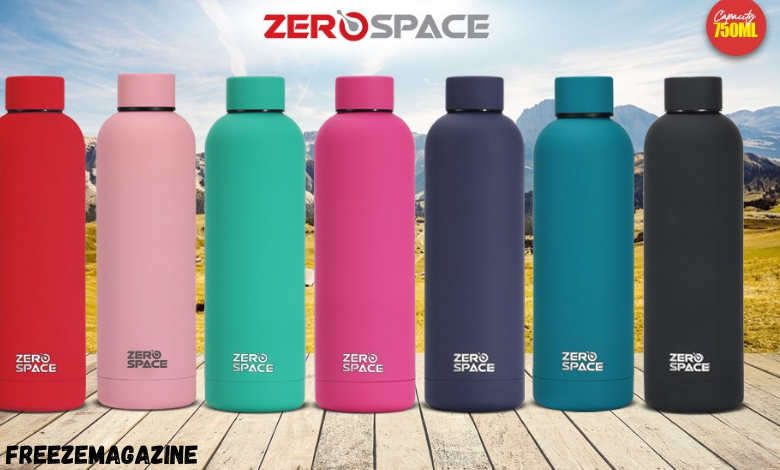
Brands like ZeroSpace are making it easier for Pakistani consumers to break free from single-use plastic dependency by offering durable, long-lasting alternatives. Pakistan’s recycling infrastructure struggles to manage this volume. While some plastic bottles enter recycling streams, the majority end up in landfills or scattered throughout the environment,t where they persist for centuries.
Hidden Environmental Costs
The environmental impact extends far beyond visible pollution. Manufacturing processes for plastic bottles consume significant energy and resources. Producing one kilogram of PET plastic requires approximately two kilograms of oil and releases substantial carbon emissions.
Pakistan’s growing population and rising temperatures drive increasing bottled water consumption. During summer months, when temperatures exceed 45°C in some regions, bottled water sales surge, creating cyclical spikes in plastic production and waste.
Economic Implications of Disposable Culture
Pakistani consumers spend billions annually on bottled water—money that flows continuously out of household budgets. A family purchasing two bottles daily spends approximately PKR 36,000 annually.
Quality reusable bottles represent a one-time investment that eliminates this recurring expense. The financial logic becomes clear when comparing a PKR 6,000 bottle that lasts five years against PKR 180,000 in disposable bottles over the same period.
Health Considerations
Plastic bottles raise health concerns beyond environmental impact. Heat exposure causes plastic to leach chemicals into water, particularly problematic in Pakistan’s climate. These chemicals, including BPA and phthalates, are endocrine disruptors that potentially affect hormonal balance.
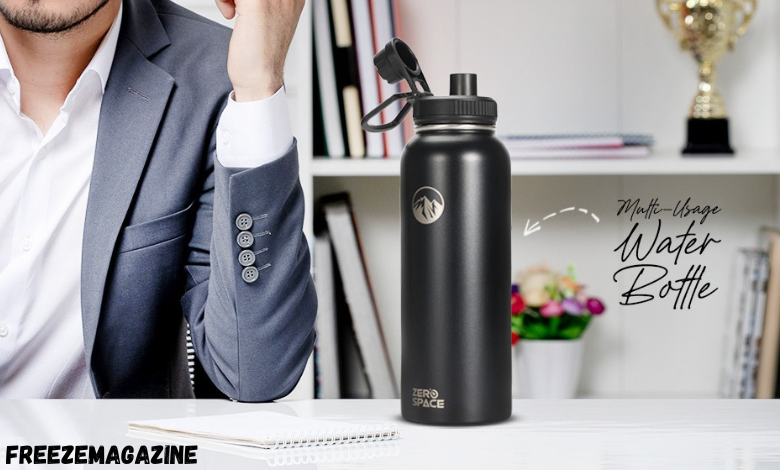
Reusable bottles made from stainless steel eliminate these concerns. Food-grade stainless steel doesn’t leach chemicals regardless of temperature, providing safe hydration even when exposed to extreme heat. Vacuum flask bottles maintain temperature integrity while ensuring water safety.
Practical Transition Strategies
Changing hydration habits requires practical solutions that fit daily routines. Successfully transitioning to reusable bottles involves addressing common obstacles.
Temperature control proves crucial in Pakistan’s climate. Bottles with proper insulation maintain cold temperatures for 12-24 hours, eliminating the appeal of purchasing chilled bottled water. This feature proves particularly crucial during summer commutes and outdoor activities.
Convenience matters equally. Reusable bottles must be as convenient as disposable alternatives to drive behavior change. Wide-mouth designs facilitate easy cleaning, while leak-proof construction prevents backpack disasters.
Cultural Shift Required
Pakistan’s environmental challenges demand cultural evolution regarding waste and consumption. Younger generations increasingly recognize sustainability’s importance, but translating awareness into action requires accessible alternatives and social reinforcement.
Social modeling accelerates adoption. When friends, family members, and colleagues visibly use reusable bottles, it normalizes the behavior and creates positive peer pressure. Educational institutions can catalyze this shift by integrating reusable bottles into student life and banning single-use plastics on campus.
Municipal Infrastructure and Policy
Individual action matters, but systemic change requires policy intervention. Several Pakistani cities have implemented plastic bag bans; similar restrictions on single-use plastic bottles could accelerate the transition to reusable alternatives.
Investment in public water infrastructure would support this transition. Reliable public water fountains and refill stations throughout cities make reusable bottles practical for everyone, not just those with private water access.
Measuring Progress
Environmental improvement requires measurable targets. Families can track their plastic bottle elimination to quantify environmental impact. A household of four eliminating disposable bottles prevents approximately 1,500 plastic bottles from entering waste streams annually, a meaningful impact that compounds across communities.
Conclusion
Pakistan’s plastic crisis won’t solve itself through recycling alone. Genuine progress requires reducing plastic production at the source by embracing reusable alternatives. This transition offers environmental benefits, economic savings, and health advantages. Every reusable bottle represents a daily vote for environmental stewardship and a tangible contribution to Pakistan’s ecological future.










Post Comment