How Smart Lighting Systems Are Shaping the Future of Modern Spaces
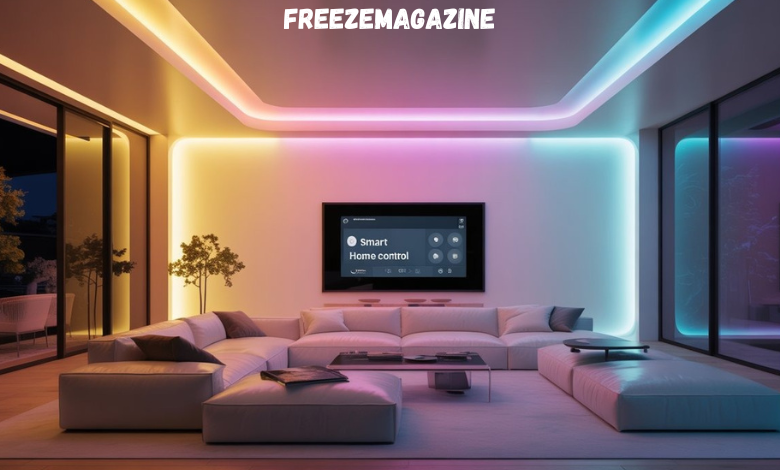
Lighting is no longer just about brightness. In modern homes, offices, retail stores, and commercial spaces, lighting has become part of design, branding, and experience. From ambiance creation to energy efficiency, the way lighting is produced and distributed now plays a major role in how spaces feel and function.
As technology evolves, smart lighting solutions are transforming the industry. Color control, automation, modular design, and energy-efficient systems are no longer premium features; they are becoming standard expectations. This shift has changed how architects, designers, and developers choose lighting partners and suppliers.
The Evolution of LED Lighting Technology
Traditional lighting systems were focused on illumination alone. Modern LED systems, however, focus on experience, efficiency, and adaptability. Lighting now supports mood creation, productivity, safety, and even emotional comfort.
RGB lighting technology is one of the biggest drivers of this change. It allows spaces to shift between functional lighting and atmospheric design instantly. Retail spaces use it for branding, homes use it for comfort, and hospitality environments use it to create immersive experiences.
This evolution has created a new demand for high-quality sourcing and reliable manufacturing partners that understand both technical performance and design application.
Why Color-Adaptive Lighting Matters
Color-adaptive lighting is no longer limited to entertainment or decorative use. It is now widely used in:
- Residential interiors for mood control and relaxation
- Retail environments for brand identity and customer experience
- Commercial offices for productivity and wellness
- Hospitality spaces for atmosphere and visual comfort
Lighting is now part of emotional design. The ability to shift color temperature and intensity helps create environments that feel natural, comfortable, and engaging.
Because of this, designers and project developers increasingly look for reliable production partners who can deliver consistent quality and performance across large-scale installations.
The Role of Supply Chain Quality in Lighting Performance
Lighting performance does not depend only on the visible product. It depends on the entire supply chain from component sourcing to system integration.
When lighting products fail, flicker, or degrade quickly, it is usually a result of weak production standards or poor component compatibility. This is why sourcing from a trusted RGB LED strip lights supplier becomes critical for long-term reliability, large projects, and professional installations.
Reliable suppliers focus on consistency, testing standards, and product compatibility, which ensures stable performance across different environments and use cases.
Modular Lighting and System Design
Modern lighting systems are increasingly modular. Instead of standalone products, lighting is now built as a system where different components work together.
This modular approach allows for scalability, customization, and easier maintenance. It also makes lighting solutions more adaptable for different industries such as retail, healthcare, logistics, and architecture.
Modular systems improve long-term value because they allow upgrades without full system replacement, making them more sustainable and cost-effective.
Why Distribution Networks Matter
Behind every reliable lighting system is a strong distribution structure. Manufacturing alone is not enough. Efficient distribution ensures product availability, project scalability, and long-term support.
This is where structured distribution models become important. Working with a trusted LED module distributor ensures access to compatible components, consistent quality, and system reliability across projects.
Strong distribution networks help reduce delays, prevent compatibility issues, and improve project efficiency for installers and developers.
Lighting as a Branding Tool
Lighting has become a powerful branding element. In retail and hospitality, lighting defines identity. In offices, it reflects company culture. In homes, it represents personal style.
Modern lighting design blends technology with aesthetics. Clean lines, smooth illumination, and adaptable color control create environments that feel premium and intentional.
Brands that understand this shift focus not just on manufacturing, but on how their products integrate into real-world spaces. This approach increases brand trust and long-term relevance.
Sustainability and Energy Efficiency
Energy efficiency is no longer optional. It is now a core requirement across industries. LED lighting systems significantly reduce energy consumption, operational costs, and environmental impact.
Modern lighting systems also support smart control technologies, which reduce waste and optimize usage patterns. This improves sustainability while maintaining performance and comfort. Sustainable lighting design is becoming a key decision factor for governments, corporations, and developers worldwide.
The Commercial Impact of Smart Lighting
In commercial environments, lighting directly impacts productivity, safety, and customer behavior. Well-designed lighting improves employee performance, customer engagement, and operational efficiency.
Smart lighting systems also reduce maintenance costs through longer lifespans and stable performance. This creates long-term financial benefits that go beyond initial installation costs.
Why Quality Standards Matter More Than Price
Low-cost lighting solutions often create long-term expenses through failures, replacements, and inefficiency. Professional buyers now prioritize quality, reliability, and support over short-term pricing advantages. High-quality lighting systems deliver better performance, fewer issues, and stronger long-term value. This shift is reshaping purchasing behavior across industries.
Conclusion
Modern lighting is no longer just a utility, it is a system, a design element, and a strategic investment. From smart color control to modular system design, lighting now plays a central role in shaping how spaces function and feel.
As demand grows for adaptable, reliable, and efficient lighting systems, the importance of quality manufacturing and structured distribution becomes even more critical. Brands and suppliers that focus on consistency, innovation, and long-term performance will continue to lead the industry.
In the future, lighting will not just illuminate spaces, it will define experiences, support sustainability, and shape the identity of modern environments.
Further Reading
Readers looking for additional insights on LED strip light trends, practical applications, and usage scenarios can explore CelebHubz for more detailed guides.





Post Comment