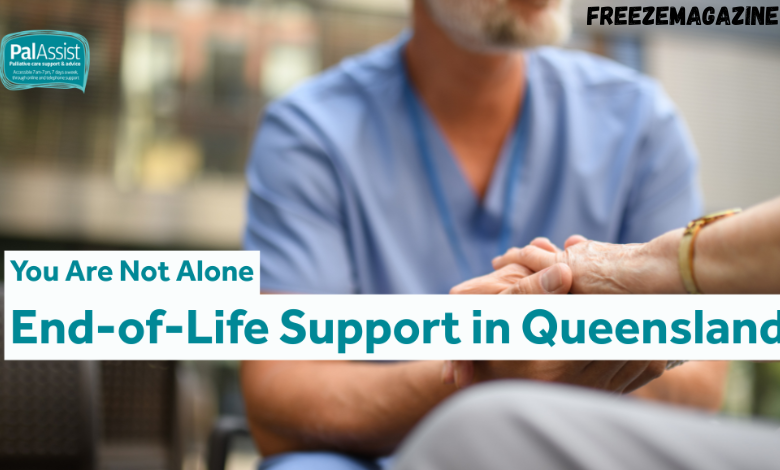
You Are Not Alone: End-of-Life Support in Queensland
What do you do when someone you love is diagnosed with a life-limiting illness? If you feel lost right now, know that many Queensland families face this same situation and don’t know where to start or who to call for help.
This can take a heavy emotional toll. You may feel scared, uncertain about what support is available, or confused about where to turn. Don’t worry, we have some good news for you. PalAssist is here with palliative care Queensland services, like other trusted options. Our experienced nurses and health professionals can connect you with local support, seven days a week.
If you’re looking for proper guidance on palliative care and end-of-life support, this article is here to help.
We’ll walk you through who qualifies for palliative care in Queensland, what services are available, and how to access them. You’ll also learn how palliative care membership in Queensland can support your family through this time.
First, let’s go over who qualifies for palliative care and the support services available to families.
Who Is Palliative Care For? (And What Services Can You Expect?)
Palliative care is for anyone with a life-limiting illness who needs help managing symptoms and improving their quality of life. No, it’s not just for people at the end-of-life, and it’s not only for cancer patients.

Here’s what you need to know about eligibility and the support available to Queensland families.
Palliative Care Begins Early
Palliative care is specialised medical care that focuses on comfort and quality of life for people with serious illnesses. Now, when you hear “specialist palliative care,” this refers to teams with advanced training in pain relief, symptom control, and emotional support. These health professionals work alongside your regular doctors rather than replacing them.
We often meet families that assume palliative care only starts when someone is dying, but that’s not true. It can actually begin from the moment of diagnosis and continue alongside other treatments. Family members are included in this care too, because supporting their well-being is just as important.
Eligibility for Palliative Care in Queensland
In Australia, you can access palliative care based on your needs rather than how long your doctor expects you to live. We mean, if you or someone you love has a life-limiting condition, you may qualify for these services.
The easiest way to access palliative care is through a referral from your GP, medical specialist, or another health professional (like a nurse or social worker). Queensland Health also offers both public and private options, so your family can choose what is most suitable for the situation.
What Palliative Care Services Are Available?
Palliative care covers physical, emotional, social, and spiritual support for the whole family. These are the main services you can expect:
- Symptom Management: Pain control, relief from nausea, fatigue, and breathing difficulties.
- Advance Care Planning: Help with documenting your wishes for future medical care, like decisions about treatments, resuscitation, and hospital visits.
- Emotional Support: Counselling for patients and family members, including grief support.
- Practical Help: Advice on equipment, medications, and daily living support to make life easier at home.
- Respite Care: Short-term relief for carers who need a break (applies to both in-home support and temporary stays in care facilities).
You can receive these services in different settings depending on your needs. Some people get care at home, while others receive it in a hospital, hospice, or aged care facility.
But how do you actually access these services in Queensland? The next section will walk you through the process.
Accessing Palliative Care in Queensland: What You Need to Know
Getting palliative care in Queensland starts with a conversation with your GP or a hospital team, who can refer you to the right services. Don’t wait to ask for help. Below, we’ll explain how to get started and what support options are available for your family.

Early Access Is Possible
As we mentioned, many families hold off on asking about palliative care because they think it’s only for someone’s final days. But reaching out earlier can improve the patient’s comfort and quality of life.
When you connect with palliative care services sooner, your loved one will get better symptom management from the start. Your family will also receive support, like counselling, practical advice, and help with daily care when they need it most. That’s why we always encourage families to seek support before things reach a crisis point.
How the Referral Process Works
The referral process for palliative care starts with your GP, who can arrange a referral to specialist services. If you’re not sure where to start, you can also contact us directly for guidance.
After a referral, the palliative care team will do a care assessment to understand what support your family needs (symptom management, emotional and at-home support). Then, based on this assessment, they will work with you to create a care plan that reflects your loved one’s wishes and health goals.
Yes, this can also mean choosing not to receive services if that’s what your loved one prefers. This is often called informed refusal or refusal of care. It means the person learned about their options and the risks, then decides to decline services. And the palliative care team will respect and document that choice.
Palliative Care Queensland Membership and Support
Palliative Care Queensland (PCQ) is the main body representing families, patients, carers, and health professionals across the state. If you join the PCQ, you can access education and resources. You’ll also connect with a community of people going through similar experiences, which can help you stay informed and supported.
For more immediate help, we offer a free service funded by Queensland Health and delivered by Cancer Council Queensland. You can call us at 1800 772 273 any day of the week to speak with our experienced nurses. We can answer your questions and connect you with local services.
Reaching Rural and Remote Areas
Queensland Health has put a lot of effort into making sure families in rural and regional areas can access quality care too. The Specialist Palliative Rural Telehealth Service (SPaRTa) connects patients in remote communities with specialist doctors and nurses through video consultations.
You can find resources specifically for Aboriginal and Torres Strait Islander communities as well. The support system encompasses care initiatives that are sensitive to cultural needs, along with Indigenous Health Workers who deeply recognize the significance of family, heritage, and community in providing end-of-life care.
Find Comfort and Support with Queensland Palliative Care
We trust this guide has provided valuable insights into the support options for your family. Keep in mind that palliative care in Queensland prioritizes comfort, open communication, and maintaining bonds with loved ones throughout challenging moments.
Whether you’re providing care for a family member, facing a serious illness, or making future plans, help is within reach. No matter your situation, support is here for you. Becoming a member of the Palliative Care Queensland community can empower your family with a platform to be heard, access valuable resources, and receive the right kind of assistance.
Don’t let things pile up until they become too much to handle. By familiarizing yourself with your choices now, you can ease some of the anxiety down the road. And if you need answers or simply want a listening ear, Pal Assist is ready to support you.
Call 1800 772 273, available 7 am to 7 pm, seven days a week.
Disclaimer
This blog is intended solely for educational purposes, offering general health and product insights. It should not be used to diagnose, treat, or substitute professional healthcare guidance. For personalized advice, always consult with your GP, nurse, continence specialist, or pharmacist. If your symptoms continue or you have concerns about using a product, reach out to a qualified healthcare professional for guidance.










Post Comment