Austria’s UNESCO World Heritage Sites
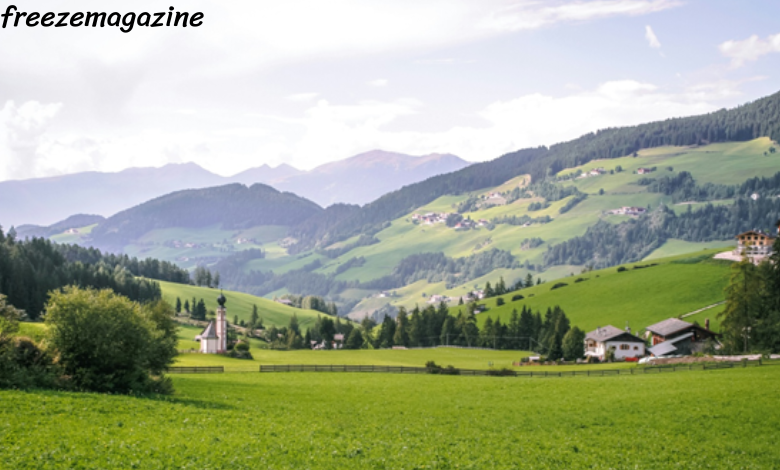
Austria is a country where history is not just preserved but celebrated, and nowhere is this more evident than in its UNESCO World Heritage Sites.
These locations have been recognized for their cultural, architectural, and natural significance, telling the story of Austria’s imperial past, artistic traditions, and breathtaking landscapes. Visiting them offers travelers a journey through centuries, from baroque palaces to prehistoric settlements, from mountain railways to vineyards that have been cultivated for generations.
Historic Centre of Vienna
Vienna’s historic center is a living museum of imperial grandeur. Walking through the city feels like stepping back into the days of the Habsburg monarchy, when emperors commissioned magnificent buildings and musicians filled the city with symphonies. Stephen’s Cathedral, and the State Opera House stand as symbols of the city’s cultural legacy. This is where Gothic, Baroque, and Art Nouveau architecture come together, creating a harmonious cityscape that is as elegant as it is historic.
Historic Centre of Salzburg
Salzburg is another jewel in Austria’s crown, with its baroque old town nestled between the Salzach River and the fortress-crowned hills. Its skyline of domes and spires is instantly recognizable, and its streets echo with the music of Mozart, who was born here. The city’s architecture reflects centuries of ecclesiastical power, with churches, monasteries, and palaces blending Italian and German influences. Each summer, the Salzburg Festival transforms the entire city into a stage for opera, theatre, and concerts, continuing its tradition as one of Europe’s great cultural capitals.
Palace and Gardens of Schönbrunn
Just outside the center of Vienna lies Schönbrunn Palace, one of the most visited sites in Austria and a masterpiece of baroque design. Once the summer residence of the Habsburgs, it contains lavish rooms decorated with gold, frescoes, and crystal chandeliers. Schönbrunn is more than a palace — it is a symbol of Austria’s imperial history and a glimpse into the lives of one of Europe’s most powerful dynasties.
Hallstatt-Dachstein / Salzkammergut Cultural Landscape
Hallstatt is often called the most beautiful village in Austria, and its UNESCO designation recognizes not just its charm but its deep historical importance. This region has been a center of salt mining for more than 7,000 years, making it one of the oldest industrial sites in the world. The combination of lake, mountains, and village creates a picture-perfect view, while the Dachstein mountains hide caves and ice formations that are a wonder to explore.
Semmering Railway
The Semmering Railway is not just a feat of engineering but a journey through some of Austria’s most beautiful alpine scenery. Built in the mid-19th century, it was the first railway in the world to cross high mountains and became a model for future alpine railways. Today, it remains in operation and allows visitors to experience travel as it was in the golden age of rail.
Wachau Cultural Landscape
The Wachau Valley is a stretch of the Danube River that is as rich in culture as it is in natural beauty. Terraced vineyards climb the hillsides, producing some of Austria’s most celebrated wines, while medieval towns like Dürnstein and Krems invite slow exploration. At the heart of the valley is Melk Abbey, a baroque masterpiece with a library that seems taken from a fairy tale. The Wachau region in cycling holidays in Austria destination, blending scenic riverside routes with wine tasting and charming village visits.
Fertő / Neusiedlersee Cultural Landscape
In Austria’s Burgenland region lies Lake Neusiedl, part of a cross-border UNESCO site shared with Hungary. This steppe lake is surrounded by reed beds, vineyards, and traditional villages, and it is a paradise for birdwatchers and cyclists. The area has a unique cultural mix, shaped by centuries of Hungarian, Austrian, and Croatian influence. Festivals, wine routes, and nature trails make Neusiedlersee an ideal destination for travelers who want to combine cultural exploration with outdoor adventure.
Experiences That Bring Heritage to Life
Visiting these UNESCO sites is more than a checklist — it is about immersing yourself in Austria’s story. Travelers can attend concerts in Vienna’s golden halls, walk Salzburg’s narrow streets while listening to Mozart’s music, or glide along the Danube past vineyard-covered hills. In places like Hallstatt, the combination of natural beauty and ancient history creates a sense of timelessness that few destinations can match.










Post Comment