7 Essential Features of Compliance Incident Management Software Every Organization Needs
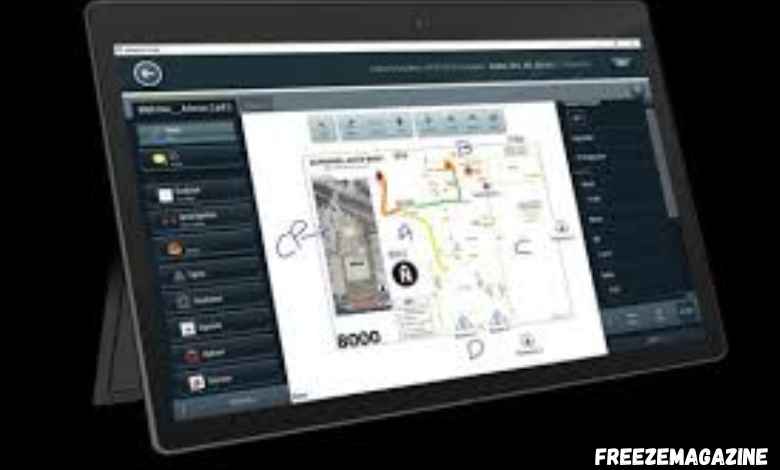
In today’s complex regulatory landscape, organizations must remain vigilant in managing compliance incidents to avoid penalties, reputational damage, and legal consequences. Compliance incident management software is designed to help organizations track, manage, and resolve compliance-related issues efficiently. This software plays a vital role in ensuring that businesses stay compliant with regulations and standards while streamlining internal processes for incident reporting and resolution.
This guide breaks down the seven essential features of compliance incident management software that every organization needs to enhance its ability to respond to incidents and ensure ongoing regulatory compliance.
For more insights into optimizing your incident management process, explore the compliance incident management software that can help safeguard your organization.
1. Real-Time Incident Reporting
The faster you can identify and report compliance incidents, the quicker you can address and resolve them. Compliance incident management software provides real-time incident reporting, allowing employees to report issues as they arise, directly from their mobile devices or desktops.
Key benefits of real-time incident reporting include:
- Immediate notification to relevant personnel
- Accurate incident capture with detailed descriptions and supporting documentation
- Faster response times, reducing the risk of compliance violations
By enabling immediate reporting, organizations can respond swiftly, ensuring minimal impact and greater control over compliance risks.
2. Centralized Incident Tracking and Documentation
Keeping track of every compliance incident can become overwhelming, especially in large organizations. Compliance incident management software centralizes all incident data into one easy-to-use platform, making it easier to monitor, manage, and report on incidents.
Centralized tracking offers:
- A single repository for all incident-related documentation
- Real-time status updates on incident resolution progress
- Quick access to historical incident data for auditing and review
This centralized system ensures better visibility and control, making it easier to manage compliance across the entire organization.
3. Automated Workflow and Incident Resolution
Managing incidents efficiently requires a clear workflow that defines the steps for resolution, including identifying responsible parties, setting deadlines, and tracking progress. Compliance incident management software automates these workflows to streamline the incident resolution process.
Automated workflows offer:
- Predefined response procedures to guide users through each step
- Automated notifications and reminders for upcoming deadlines
- Streamlined approvals to ensure quick escalation and resolution
By automating workflows, the software reduces human error, minimizes delays, and ensures incidents are handled efficiently.
4. Compliance Risk Assessment and Prioritization
Compliance incident management software helps assess the severity of each incident and prioritize them based on risk, impact, and regulatory requirements.
Key features include:
- Risk assessment tools to evaluate the potential impact of each incident
- Incident categorization to determine the urgency and severity
- Prioritization of actions to mitigate the most significant risks first
With the ability to assess and prioritize risks, organizations can focus on the most pressing compliance issues and prevent costly violations.
5. Incident Analysis and Root Cause Identification
Understanding the root cause of a compliance incident is crucial for preventing future occurrences. Compliance incident management software typically includes tools for conducting thorough analyses and identifying underlying issues.
Features include:
- Root cause analysis (RCA) tools to understand the root causes of incidents
- Automated reports on incident patterns and trends
- Analytics dashboards to track recurring issues
By identifying the root cause, businesses can implement corrective actions to improve their processes and reduce the likelihood of similar incidents in the future.
6. Regulatory Reporting and Documentation
Meeting regulatory requirements is a key reason organizations adopt compliance incident management software. This software helps generate reports that comply with various industry standards and government regulations, ensuring that documentation is always up to date and ready for audits.
Reporting features include:
- Pre-built regulatory templates for streamlined reporting
- Audit trails that capture every step of the incident resolution process
The ability to quickly generate compliant reports reduces the burden of manual documentation and ensures that your organization stays on top of its regulatory obligations.
7. Integration with Other Business Systems
To be truly effective, compliance incident management software must integrate with other key business systems, such as enterprise resource planning (ERP) software, human resources management systems (HRMS), and quality management systems (QMS). Integration ensures that all relevant data is seamlessly shared across the organization, enhancing efficiency.
Key integration benefits include:
- Automated data sharing between systems to eliminate duplicate entries
- Consistent data flow across the organization, ensuring up-to-date information
- Improved decision-making with access to data from multiple sources
By integrating with other business systems, compliance incident management software ensures a comprehensive approach to managing compliance risks.
Conclusion
Compliance incident management software plays a pivotal role in modern organizations by streamlining incident reporting, improving response times, and ensuring regulatory compliance. The seven essential features—real-time reporting, centralized tracking, automated workflows, risk assessment, root cause analysis, regulatory reporting, and system integration—ensure that businesses can respond to compliance issues swiftly and efficiently.
For more information on how to implement and optimize your incident management processes, explore the compliance incident management software that offers these essential features. By investing in the right software, organizations can mitigate risks, avoid costly fines, and foster a culture of compliance across their operations








Post Comment