7 Critical Steam System Failures That Cost US Food Plants $2M+ Annually (And How Modern Monitoring Prevents Them)
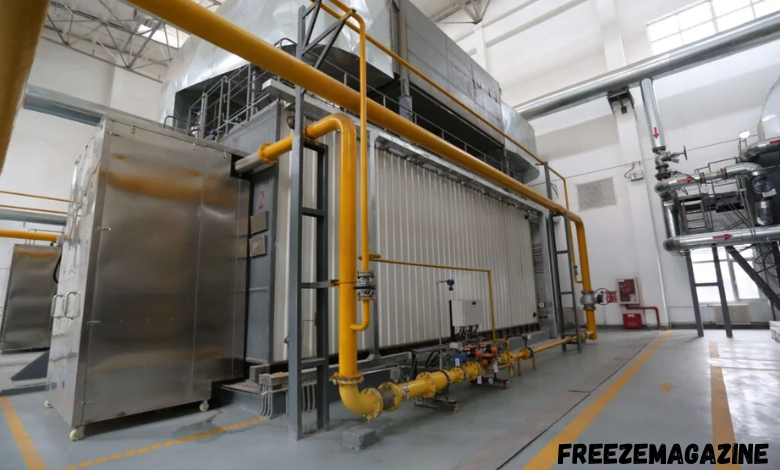
Steam system failures in food processing facilities represent one of the most significant operational risks facing plant managers today. When steam delivery becomes unreliable, the consequences extend far beyond simple equipment downtime. Production lines halt, product quality suffers, and safety protocols activate emergency shutdowns that can persist for days while repairs are completed.
The financial impact of these failures has grown substantially as food plants operate under tighter margins and higher throughput demands. A single steam system breakdown during peak production can result in lost product, delayed shipments, overtime labor costs, and emergency repair expenses that quickly accumulate into six-figure losses. Multiple failures throughout a year compound these costs, creating a pattern of disruption that affects both immediate profitability and long-term operational reliability.
Understanding the most common failure modes and their prevention has become essential for maintaining consistent production schedules and protecting equipment investments. Modern monitoring approaches offer plant managers the visibility needed to address problems before they escalate into costly shutdowns.
Steam Trap Failure and Its Cascading Effects on Production
Steam trap failures account for the largest category of steam system problems in food processing environments. These devices remove condensate while preventing live steam from escaping the system, but they operate under constant thermal cycling that gradually degrades internal components. Professional steam system monitoring services have documented failure rates that increase significantly after the first year of operation, particularly in applications involving frequent temperature changes.
When steam traps fail in the open position, they allow live steam to escape through condensate return lines, reducing system pressure and wasting energy. This condition forces boilers to work harder to maintain adequate steam supply, increasing fuel costs and creating pressure instabilities throughout the distribution network. Failed traps in closed positions present a different problem, allowing condensate to accumulate in steam lines where it causes water hammer, corrosion, and uneven heat transfer.
Water Hammer Damage from Trapped Condensate
Condensate accumulation creates water hammer conditions that generate shock waves throughout the piping system. These pressure spikes can reach several times normal operating pressure within milliseconds, subjecting pipe joints, valve bodies, and equipment connections to forces that exceed their design limits. The resulting damage often appears as cracked flanges, loosened fittings, and stress fractures in pipe walls that may not become apparent until catastrophic failure occurs.
Water hammer incidents frequently damage heat exchangers and process equipment downstream from failed traps. The sudden pressure changes can rupture heat exchanger tubes, crack vessel heads, and damage control valves. Equipment that survives the initial impact often develops chronic leakage problems that worsen over time, eventually requiring complete replacement during unplanned maintenance outages.
Uneven Heating and Product Quality Issues
Steam traps that fail to remove condensate properly create uneven heating patterns in process equipment. Hot spots and cold zones develop across heat transfer surfaces, leading to inconsistent product temperatures that affect texture, flavor, and safety characteristics. Food products processed under these conditions may fail quality inspections, requiring disposal or reprocessing that eliminates profit margins for entire production runs.
Temperature variations also extend processing times as operators attempt to compensate for poor heat transfer. Extended heating cycles increase energy consumption while reducing overall throughput, creating a double impact on production economics. Products that require precise temperature control, such as pasteurized dairy items or cooked meat products, become particularly vulnerable to quality failures when steam delivery becomes inconsistent.
Boiler Water Level Control Malfunctions
Water level control systems protect boilers from dangerous operating conditions, but sensor fouling and control valve problems can trigger false alarms that shut down steam production unnecessarily. Food processing facilities often experience frequent nuisance trips from water level controllers, particularly when feedwater contains dissolved solids that accumulate on sensing elements over time.
True low water conditions present serious safety risks that can result in boiler tube overheating and catastrophic failure. When water levels drop below safe operating limits, exposed heating surfaces reach temperatures that cause immediate tube damage. Recovery from low water incidents typically requires complete boiler inspection and tube replacement, creating outages that can extend for weeks while repairs are completed and regulatory inspections are performed.
Feedwater System Disruptions
Feedwater pump failures and treatment system problems create water level control challenges that compound other steam system issues. When feedwater pumps lose prime or develop mechanical problems, boiler water levels fluctuate rapidly, triggering protective shutdowns even when sufficient water remains in the system. Backup pump systems may fail to activate automatically, requiring manual intervention that delays steam system restart.
Water treatment system failures introduce contaminants that accelerate boiler tube corrosion and create deposits on internal surfaces. These conditions reduce heat transfer efficiency while increasing the risk of tube failures that can force extended outages. The Environmental Protection Agency requires thorough inspection and testing following boiler tube failures, adding regulatory compliance time to repair schedules.
Pressure Regulator Instability and System Pressure Swings
Pressure regulating valves maintain consistent steam pressure for process equipment, but internal wear and contamination cause control instability that creates pressure swings throughout the distribution system. These pressure variations affect heat transfer rates in process equipment while triggering safety shutdowns when pressures exceed equipment design limits.
Oversized pressure regulators compound stability problems by creating hunting behavior where valve positions oscillate rapidly between open and closed positions. This cycling creates pressure pulses that stress downstream equipment while making precise process control impossible. Undersized regulators cannot maintain adequate pressure during peak demand periods, forcing equipment to operate below design capacity.
Control Valve Wear and Response Time Degradation
Pressure regulator control valves experience erosion damage from high-velocity steam flow, particularly when pressure differentials exceed normal operating ranges. Valve seats and plug surfaces develop pitting and scoring that prevents tight shutoff and creates leakage paths that affect pressure control accuracy. Worn valves also exhibit slower response times that allow pressure excursions to persist longer before corrective action occurs.
Control valve actuator problems create additional response delays that worsen pressure control performance. Pneumatic actuators may develop air leaks that reduce available operating force, while electric actuators can experience motor wear that slows valve positioning. These mechanical degradation patterns progress gradually, making them difficult to detect without regular performance monitoring.
Steam Line Insulation Deterioration and Heat Loss
Insulation system degradation creates heat loss patterns that reduce steam quality while increasing condensate formation throughout the distribution network. Damaged insulation allows steam to condense prematurely, creating wet steam conditions that reduce heat transfer effectiveness and accelerate corrosion in piping systems.
Moisture infiltration into insulation systems accelerates thermal degradation while creating conditions that support corrosion under insulation. External pipe surfaces may develop significant corrosion damage that remains hidden until insulation is removed for maintenance. This corrosion can progress to the point where pipe replacement becomes necessary, requiring extensive system modifications during repair outages.
Increased Condensate Load and Return System Capacity
Heat loss from damaged insulation increases condensate formation rates that can exceed condensate return system capacity. Condensate return pumps experience higher operating loads while condensate storage tanks may overflow during peak demand periods. These capacity limitations force condensate discharge to waste streams, increasing makeup water requirements and treatment costs.
Condensate return line sizing becomes inadequate when heat losses increase condensate formation beyond original design assumptions. Undersized return lines create backpressure that affects steam trap operation while allowing condensate to accumulate in process equipment. This accumulation reduces effective heat transfer surface area and creates the conditions for water hammer incidents.
Control System Communication Failures
Modern steam systems rely on digital control networks that coordinate boiler operation, pressure regulation, and safety systems. Communication failures between control system components can create conflicting control signals that result in unsafe operating conditions or unnecessary system shutdowns. Network reliability becomes particularly critical when multiple boilers operate in parallel configuration.
Control system hardware failures affect both automatic operation and manual override capabilities. When primary controllers fail, backup systems may not have access to current operating data, forcing operators to manage steam systems using local instruments with limited visibility of overall system conditions. This reduced visibility increases the risk of operator errors that can lead to equipment damage or safety incidents.
Sensor Calibration Drift and False Alarms
Temperature and pressure sensors develop calibration errors over time that create false alarm conditions or prevent detection of actual problems. Sensor drift patterns vary with environmental conditions and installation factors, making calibration maintenance schedules difficult to optimize. Sensors exposed to high temperatures or corrosive environments may require more frequent calibration than originally anticipated.
False alarms from sensor calibration problems desensitize operators to legitimate alarm conditions while creating unnecessary production interruptions. When multiple sensors develop similar drift patterns, control systems may indicate trending problems that do not actually exist. Conversely, actual equipment problems may not trigger alarms when sensors have drifted beyond their calibration range.
Condensate Return System Pump Failures
Condensate return pumps operate under challenging conditions that include high temperatures, variable flow rates, and potential contamination from process equipment leaks. Pump mechanical seals and impellers experience accelerated wear from these operating conditions, leading to reduced pumping capacity and eventual mechanical failure. When condensate return capacity becomes inadequate, condensate accumulates in process equipment and creates the conditions for water hammer incidents.
Electric motor failures on condensate pumps create immediate system disruptions that affect steam trap operation throughout the facility. Backup pump systems may not activate automatically when primary pumps fail, requiring manual operator intervention that can delay system recovery. Extended condensate pump outages force facilities to discharge condensate to waste streams, increasing makeup water costs and treatment chemical consumption.
Cavitation Damage and Pump Performance Degradation
Condensate pumps frequently operate under conditions that promote cavitation when suction line conditions create pressure drops below saturation pressure. Cavitation damage appears as pitting on impeller surfaces and volute walls, gradually reducing pump efficiency and flow capacity. This performance degradation occurs slowly enough that operators may not recognize the problem until pump failure becomes imminent.
High condensate temperatures increase the risk of cavitation while accelerating wear on pump components. Net positive suction head requirements increase with temperature, making pump sizing more critical in high-temperature applications. Pumps that operate satisfactorily at moderate temperatures may experience chronic cavitation problems when condensate temperatures increase due to other system changes.
Boiler Tube Scaling and Heat Transfer Reduction
Scale formation on boiler tube surfaces reduces heat transfer efficiency while creating hot spots that can lead to tube overheating and failure. Water treatment system problems allow dissolved minerals to precipitate on heat transfer surfaces, forming insulating layers that force combustion temperatures higher to maintain steam production rates. These elevated temperatures accelerate tube metal deterioration and increase the risk of catastrophic tube failures.
Scale accumulation patterns vary with boiler design and water chemistry conditions, making inspection schedules difficult to optimize. Tubes in high heat flux areas develop scale deposits more rapidly than those in moderate temperature zones. Uneven scale distribution creates differential expansion stresses that can cause tube cracking even when individual tubes remain within safe temperature limits.
Combustion Efficiency Degradation and Fuel Cost Increases
Scale formation forces boilers to operate at higher firing rates to maintain steam production capacity, increasing fuel consumption and combustion air requirements. Stack temperatures increase as more heat energy transfers to flue gas streams rather than water and steam. These efficiency losses compound over time as scale layers continue to thicken, creating steadily increasing operating costs that may not become apparent until annual energy audits are performed.
Increased firing rates also accelerate refractory wear in combustion chambers while subjecting pressure vessel components to higher thermal stresses. Boiler lifecycle costs increase as maintenance intervals shorten and component replacement becomes more frequent. Economic analysis often shows that proactive scale prevention costs significantly less than the combination of efficiency losses and accelerated equipment wear.
Conclusion
Steam system failures in food processing facilities create cascading effects that extend far beyond immediate repair costs. The seven critical failure modes discussed here represent the most significant threats to production reliability and operational profitability. Each failure type develops gradually through predictable patterns that can be detected and addressed before major equipment damage occurs.
Modern monitoring approaches provide plant managers with early warning systems that identify developing problems while corrective action remains cost-effective. The investment in comprehensive monitoring capabilities pays for itself through reduced emergency repairs, extended equipment life, and elimination of unplanned production outages. Food processing facilities that implement proactive steam system monitoring report significant improvements in both operational reliability and long-term maintenance costs.
The key to successful steam system management lies in understanding that individual components operate as part of an integrated system where problems in one area quickly affect overall performance. Regular monitoring and preventive maintenance programs address these interdependencies while maintaining the consistent steam supply that food processing operations require.



Post Comment