6 Smart Maintenance Habits for Busy Facilities
Running a facility is no small feat. Between managing staff, coordinating vendors, and keeping operations running smoothly, maintenance can quickly fall to the bottom of the priority list—until something breaks.
The good news? A few consistent habits can dramatically reduce unexpected downtime, extend equipment lifespan, and keep costs under control. Here are six smart maintenance habits worth building into your facility’s routine.
1. Switch From Reactive to Preventive Maintenance
Waiting for equipment to fail before addressing it is one of the most expensive approaches a facility can take. Studies show that reactive maintenance can cost up to three to four times more than a preventive approach. Scheduling regular inspections and servicing—before problems arise—keeps equipment running longer and avoids the steep costs associated with emergency repairs and production halts.
Start by identifying your most critical assets, then build a calendar-based maintenance schedule around them. Even modest preventive efforts can yield significant returns over time.
2. Keep a Detailed Equipment Log
Documentation might not be the most exciting part of facilities management, but it’s one of the most valuable. Maintaining a detailed log for each piece of equipment—including service history, part replacements, warranty details, and performance notes—gives your team the context they need to make faster, more informed decisions.
When equipment does need servicing, a well-kept log can reduce diagnostic time considerably. It also helps identify patterns, such as a machine that requires the same repair every few months, signaling a deeper underlying issue.
3. Train Staff on Basic Equipment Care
Empowering frontline staff with basic equipment care knowledge creates an additional layer of protection across your facility. Simple behaviors—like reporting unusual sounds, avoiding overloading machinery, and following proper startup and shutdown procedures—can prevent minor issues from escalating into costly failures.
Regular, brief training sessions go a long way. Even a 15-minute monthly refresher on specific equipment can meaningfully reduce user-related wear and tear.
4. Prioritize Compressed Air System Maintenance
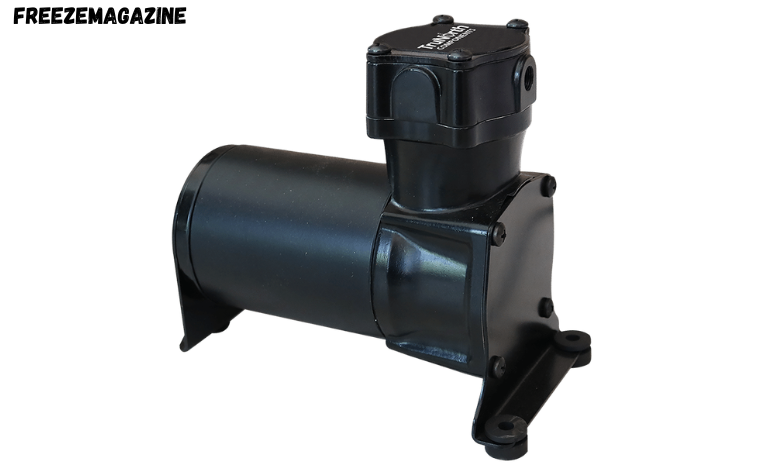
Compressed air systems are often the backbone of facility operations, powering tools, machinery, and production lines across industries. Yet they’re frequently overlooked until a failure forces the issue. Leaks alone can account for 20–30% of a compressor’s total energy output, quietly inflating utility bills month after month.
Regular inspection of filters, drains, fittings, and pressure levels is essential. When parts do need replacing, sourcing components from reputable OEM compressor manufacturers ensures compatibility and performance reliability—particularly important for facilities that depend on consistent air pressure for precision work.
5. Implement a Work Order Management System
Managing maintenance requests through spreadsheets or informal communication channels is a recipe for tasks slipping through the cracks. A dedicated work order management system—even a basic one—centralizes requests, assigns accountability, tracks completion, and stores records automatically.
This kind of structure makes it far easier to spot recurring issues, allocate resources efficiently, and demonstrate compliance during audits or inspections. Many facilities management platforms offer mobile access, making it easy for technicians to update work orders in real time from anywhere on site.
6. Conduct Regular Facility Walkthroughs
Scheduled walkthroughs—whether weekly or monthly, depending on facility size—allow maintenance personnel to spot early warning signs that automated systems might miss: unusual vibrations, strange odors, visible corrosion, pooling fluids, or worn seals.
Using a standardized checklist during walkthroughs ensures consistency across different team members and shifts. Over time, these inspections build a richer picture of your facility’s overall health and help prioritize where resources should be directed next.
Building a Culture of Proactive Maintenance
The facilities that run most efficiently aren’t necessarily those with the newest equipment—they’re the ones with disciplined, consistent maintenance habits. Each of the practices outlined above is straightforward to implement, but the real value comes from applying them consistently over time.
Small habits compound. A well-maintained compressed air system, a thorough equipment log, and a trained workforce don’t just reduce downtime—they contribute to a safer, more productive facility overall. The results will speak for themselves.








Post Comment