5 Common Wall Cladding Installation Mistakes and How to Avoid Them
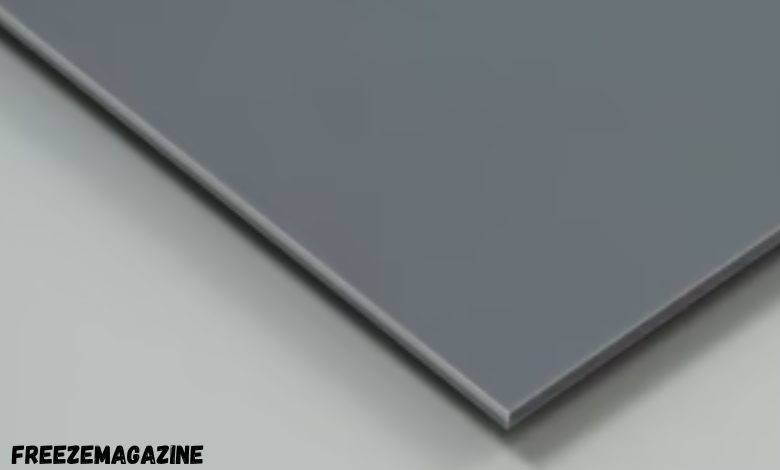
Renovating your walls with PVC panels is one of the most rewarding DIY projects you can undertake. It’s a fast, clean, and cost-effective way to completely change the look of a bathroom or kitchen. Even the highest quality materials can underperform if they aren’t fitted with precision and care.
Small errors during the preparation or fixing stages can lead to panels that don’t align or, worse, surfaces that aren’t fully watertight. It’s better to learn from the errors of others before you pick up your adhesive. So, read our full article to discover the most frequent pitfalls and how you can avoid them to ensure your installation is a total success.
Poor Surface Preparation
One of the most common mistakes is fixing wall cladding onto uneven, damp, or dirty surfaces. Dust, grease, or loose paint stops adhesives from bonding properly, which may cause panels to lift or shift over time. Older buildings often have walls that need extra attention before installation.
To avoid this, walls should be clean, dry, and level before fitting begins. Any cracks or moisture problems need fixing first. Taking time at this stage creates a stable base and helps the cladding last longer.
Using the Wrong Adhesive or Sealant
Not all adhesives suit hygienic wall cladding. Using general purpose products might save time upfront, but it often leads to weak bonds or visible movement later. In high humidity areas like kitchens or washrooms, the wrong sealant may also fail to protect joints from moisture.
Choosing adhesives and silicones designed for hygienic environments reduces these risks. When installing white hygienic wall cladding for instance, using compatible fixing products ensures panels stay secure and joints remain sealed in line with hygiene expectations.
Ignoring Expansion Gaps
PVC wall cladding expands and contracts slightly with temperature changes. A common error is fitting panels too tightly together or hard against edges. This may cause buckling or stress marks over time, particularly in areas exposed to heat or regular cleaning.
Leaving small expansion gaps around edges and trims allows the material to move naturally. These gaps are later covered by profiles, keeping the finish neat while protecting the panels from damage.
Incorrect Use of Trims and Profiles
Trims and profiles aren’t just decorative. They protect edges, seal joints, and help create smooth, easy to clean surfaces. Skipping trims or fitting them poorly often leaves exposed edges that collect dirt and moisture.
To avoid this, installers should plan trim placement before starting. Using matching internal corners, external corners, and joint trims creates a sealed and professional finish that supports hygiene and makes cleaning simpler.
Rushing the Installation Process
Rushing is another frequent issue, especially on tight project schedules. Panels might be cut inaccurately, adhesives not given enough curing time, or sealant applied unevenly. These shortcuts often show later through gaps, weak joints, or uneven lines.
Allowing enough time for accurate measuring, careful cutting, and proper curing makes a noticeable difference. Slower, methodical installation leads to better alignment and longer lasting results.
Getting It Right From the Start
Wall cladding installation mistakes often come down to preparation, product choice, and patience. By focusing on surface condition, correct fixings, proper spacing, and careful finishing, you reduce the chance of problems appearing later. A well-installed system supports hygiene standards, looks clean, and performs as expected over time.
If you’re planning a project, taking these points into account helps ensure your wall cladding works as it should and avoids unnecessary repairs or replacements later on.






Post Comment